Introduction
In a world increasingly reliant on electricity, power outages can disrupt our lives significantly. For homeowners and business owners alike, having a reliable backup power source is crucial. This is where standby generators come into play. Whether you're considering a residential backup generator for your home or a commercial backup generator for your business, proper installation is essential. However, finding the right professionals for this task can be daunting. The following article dives deep into the intricacies of standby generator installation, providing you with insights to make an informed decision.
Standby Generator Installation: Finding the Right Professionals for the Job
When it comes to standby generator installation, choosing qualified professionals cannot be emphasized enough. A well-installed generator not only guarantees efficiency but also ensures safety and compliance with local regulations. So, how do you find these professionals?
Understanding Standby Generators
What is a Standby Generator?
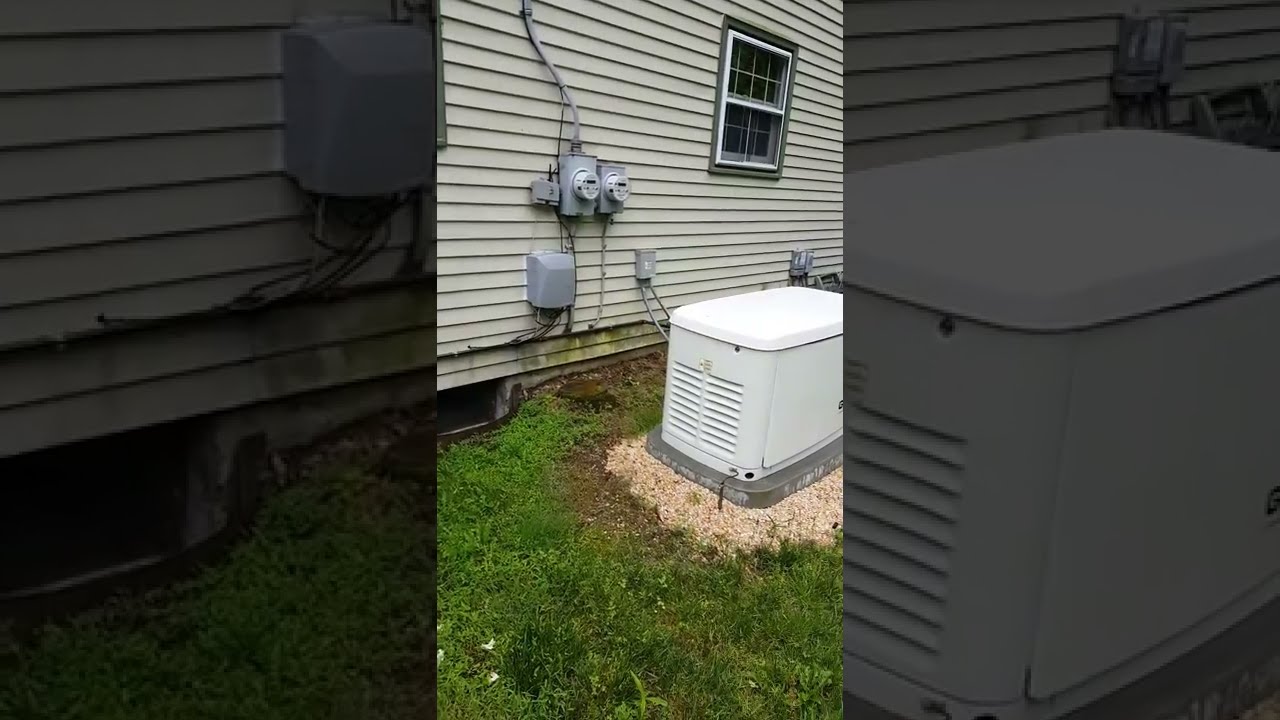
A standby generator is an automatic backup power supply that kicks in during a power outage. Unlike portable generators, which require manual setup, standby generators are permanently installed and can automatically detect when utility power fails.
Benefits of Installing a Standby Generator
- Automatic Power Supply: They start automatically within seconds of a power failure. Safety: Permanently installed units reduce risks associated with portable generators. Increased Property Value: Homes with backup generators may sell faster and at higher prices.
Types of Backup Generators
Residential Backup Generators
These are designed specifically for home use, ranging from 5kW to 20kW systems depending on your household's energy requirements.
Commercial Backup Generators
Typically larger and more powerful than residential options, commercial generators can handle significant loads and vary from 20kW to several megawatts.
Generac Backup Generators
Generac is one of the leading manufacturers in the generator market, known for its reliability and innovation. They offer both residential and commercial solutions tailored to various needs.

Choosing the Right Professionals
Licensing and Certification
Why Licensing Matters
Licensed electricians or contractors ensure that installations follow safety codes and regulations. When assessing potential professionals:
- Ask for proof of licensing. Verify their credentials through local licensing boards.
Experience Counts
How Experience Influences Installation Quality
electricianChoosing installers with extensive experience guarantees:
- Familiarity with different types of generators Knowledge about specific local regulations Proven track records in handling various installation challenges
Insurance Coverage
Importance of Insurance for Safety
Always opt for professionals who carry liability insurance. This protects both you and them from any accidents or damages that might occur during installation.

References and Reviews
The Power of Word-of-Mouth Recommendations
Check reviews online or ask previous clients about their experiences:
- Look at platforms like Yelp, Google Reviews, or Angie's List. Request references directly from potential contractors.
Installation Process Overview
Initial Consultation
During the initial consultation:
- Assess your energy needs Discuss potential locations for installation Review local building codes
Site Assessment
A professional will conduct an on-site assessment to determine:
- Space availability Proximity to gas lines (if applicable) Electrical panel access
Choosing Your Generator Size
Getting the right size is critical:
Calculate total wattage requirements. Consider future energy needs as well.| Type | Recommended Size | |-----------------------|------------------| | Small Home | 5kW - 8kW | | Medium Home | 10kW - 15kW | | Large Home | 17kW - 20kW | | Small Business | 10kW - 30kW | | Large Commercial | 40kW + |
Installation Day Expectations
On installation day:
The team will arrive early to set up equipment. They'll begin by preparing the site (clearing debris). Connect fuel lines (natural gas or propane) as required. Install electrical connections between the generator and your home's electrical panel.Post-installation Considerations
Testing Your Generator
After installation:
Run tests to ensure proper functioning. Confirm that all safety protocols are met.Regular Maintenance Tips
To keep your generator in optimal condition:
- Schedule annual maintenance checks. Keep an eye on fluid levels and replace filters regularly.
Emergency Procedures
Know what steps to take in case of an emergency:
Understand how to switch from grid power to standby mode manually if necessary. Familiarize yourself with system alerts indicating issues.FAQs About Standby Generator Installation
FAQ 1: How long does installation typically take?
Answer: Most installations take anywhere from a few hours to a full day, depending on complexity.
FAQ 2: Can I install my own standby generator?
Answer: While some homeowners attempt DIY installations, it’s highly recommended to hire licensed professionals due to safety concerns and technical complexities involved.
FAQ 3: What permits are needed for standby generator installation?
Answer: Requirements vary by location; check with local building authorities regarding necessary permits before proceeding with installation.
FAQ 4: How much does it cost to install a standby generator?
Answer: Costs vary widely based on factors such as size, type, labor rates, and additional materials; expect anywhere from $5,000-$15,000 or more.
FAQ 5: Are there financing options available?
Answer: Many contractors offer financing plans; alternatively, consider checking with your bank or credit unions for home improvement loans.
FAQ 6: How often should I have my generator serviced?
Answer: It’s advisable to have your standby generator serviced at least once per year to ensure optimal performance.
Conclusion
Investing in a standby generator means investing in peace of mind during unpredictable outages—be it at home or in business settings. As you embark on this journey toward ensuring uninterrupted power supply, remember that proper installation is paramount for operational efficiency and safety. By understanding what makes up quality professional services—licensing, experience, insurance—you’ll be better equipped to make informed decisions about who installs your system.
Ultimately, don’t rush into the first option you find; take time researching qualified candidates who specialize in standby generator installation—because when it comes down to it, having experts handle this vital aspect could save you time, money, and plenty of headaches down the road!
American Electric Co
26378 Ruether Ave, Santa Clarita, CA 91350, USA
(888) 441-9606
American Electric Co provides standby generator installations throughout Los Angeles County. We're licensed electricians specializing in generator installations and maintenance, main panel upgrades, solar installations, & EV charger installs. From flickering lights and panel upgrades in Malibu to whole-home generator systems in Burbank, we bring warmth, expertise, and, yes, occasionally dad-level electrical jokes to every service call. When your circuits throw tantrums or your Los Angeles County home needs power backup solutions that actually work during those California outages, our certified team swoops in with gentle expertise. We understand electrical emergencies aren't just inconvenient—they feel downright scary! We're just a call away.
American Electric Co
26378 Ruether Ave, Santa Clarita, CA 91350, USA
(888) 441-9606
Question: How much does it cost to install a generator?
Answer: During power outages, residential generators offer a dependable backup electricity supply, proving essential for homeowners. On average, installing a whole-house generator costs between $7,000 and $15,000, with the variation stemming from differences in equipment pricing and installation labor requirements.